
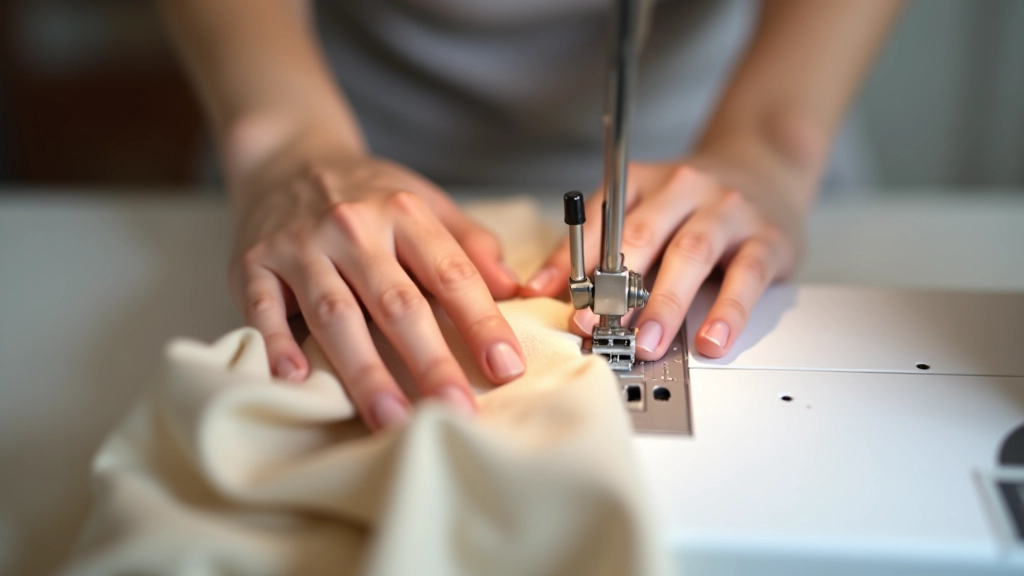
Šūšanas Workshops in Rīga & Ventspils — What to Expect
Thinking about joining a sewing workshop in Latvia? Here's what you'll actually encounter when you walk into one of these sessions in Rīga or Ventspils — the real setup, what happens during class, and what to bring so you're not caught off guard.

The Workshop Environment
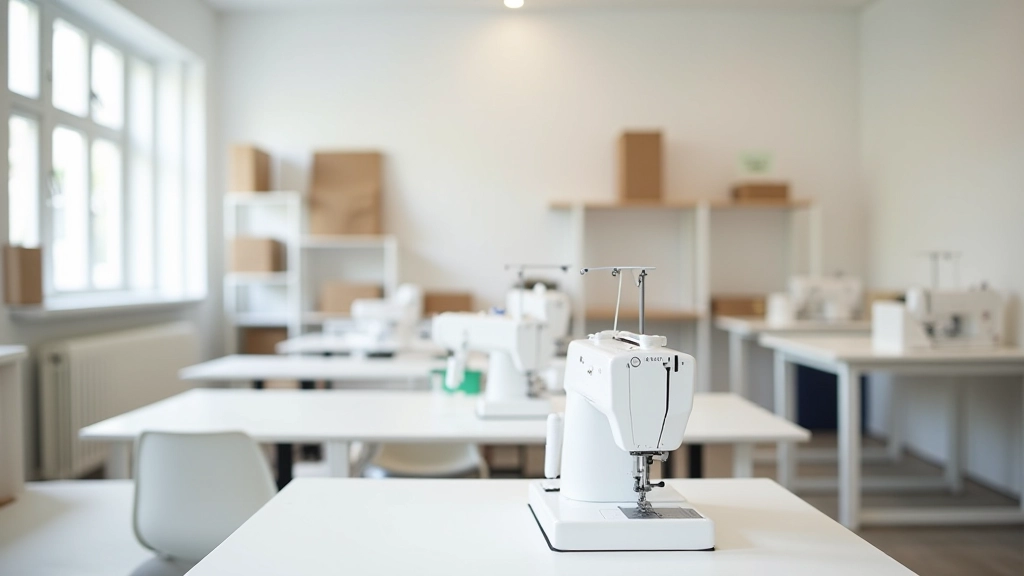
Both Rīga and Ventspils have active šūšanas workshop communities. You'll find sessions happening in converted studios, cultural centers, and craft spaces. These aren't sterile classrooms — they're actual working studios where people gather to learn.
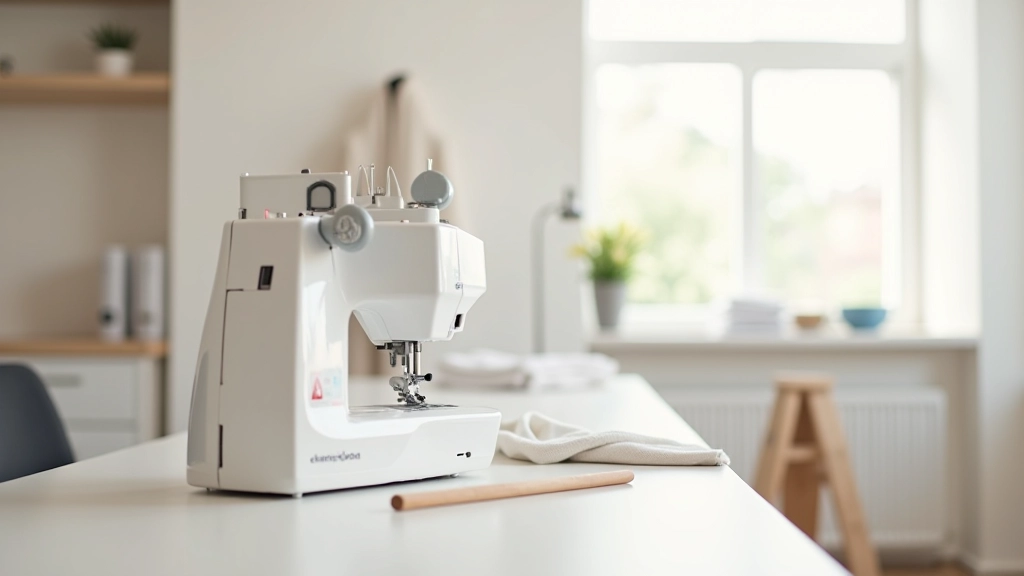
The typical setup includes tables with sewing machines, pressing stations, and cutting areas. Most workshops accommodate 6-12 people per session. You're not sitting in rows staring at a board. Instead, you're working hands-on while an instructor moves around, stops at each person's station, and gives individual feedback.
Lighting matters more than you'd think. Good workshops have natural windows or bright LED panels so you can actually see what you're doing. The temperature's usually comfortable, though it can get warm once everyone's working with the machines running.
What Happens During a Session
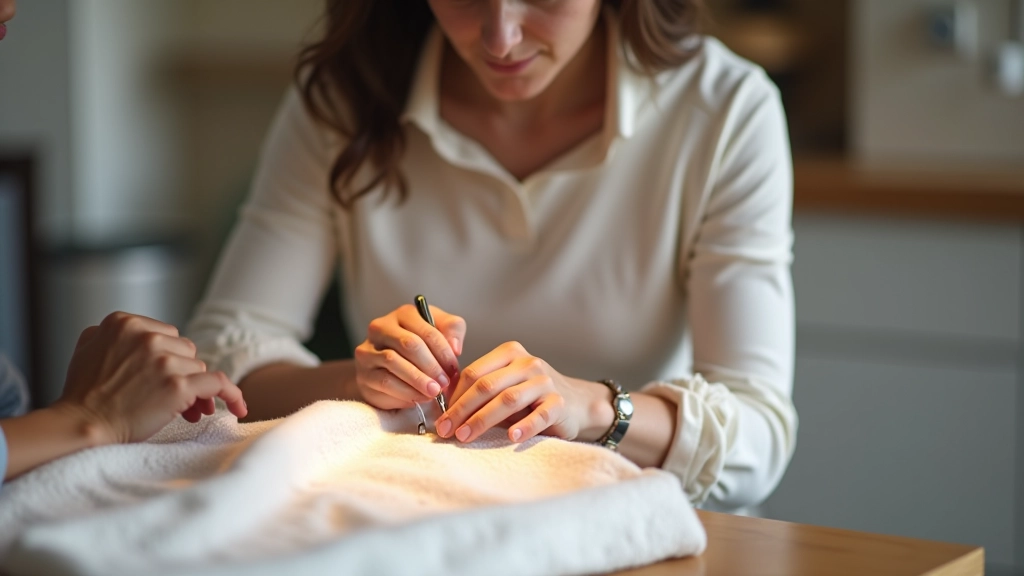
Most workshops run for 2-3 hours. They'll start with a quick introduction where the instructor explains what you're working on that day. It's not a lecture — more like someone saying, "Today we're learning backstitch and how to thread the machine properly."
Then everyone gets their own machine and materials. You don't need to show up already knowing how to sew. Beginners sit alongside people who've been sewing for years. The instructor demonstrates on a large sample, then everyone practices on their own. It's structured but relaxed. People chat. Someone always asks a question that makes the whole group laugh.
Don't expect to finish a garment in one session. You might work on a small project — a simple pouch, a pillowcase, basic seams on scrap fabric. The point isn't production. It's learning the fundamentals without feeling rushed. Most people spend the last 20 minutes cleaning up their machine and getting feedback on what they've done.
What to Bring & What They Provide
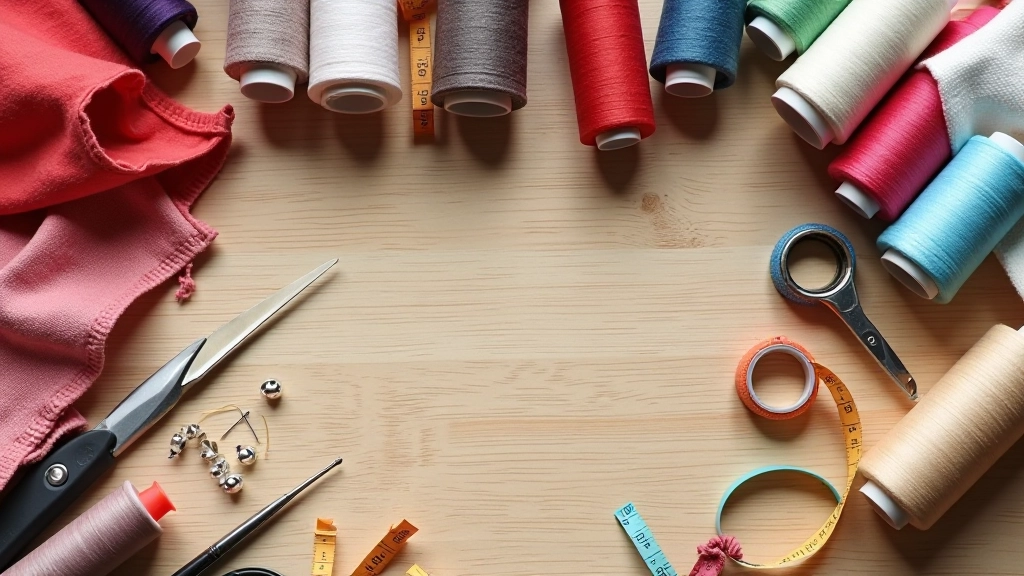
Here's the practical part. Most workshops provide the machines, thread, and basic materials. You won't need to haul in your own sewing machine. They've got needles, scissors, rulers, and marking tools available.
What you should bring: a notebook if you like taking notes, water (seriously, you'll need it), and comfortable clothes. Avoid long flowing sleeves that might get caught in the machine. Bring your own project if you're past beginner level — fabric, patterns, whatever you're working on. Most workshops let you bring materials as long as they're appropriate for the session focus.
Some workshops ask you to bring fabric scraps for practice. Others provide them. It's worth asking beforehand. Most instructors send a quick message with session details. They'll tell you exactly what you need. And honestly? They're used to people forgetting things. The community's helpful. Someone always has extra needles or thread.
Rīga vs Ventspils — Real Differences
Rīga workshops tend to be more diverse. You'll find everything from beginner basics to advanced pattern-making classes. There are workshops in Old Town, in the Centrs district, and in Riga's creative neighborhoods. Class sizes vary from 4 people to 15. Many have evening and weekend sessions.
Ventspils has fewer options but they're genuinely good. Workshops here often focus on traditional Latvian techniques and sustainable practices. The community's tighter. You'll recognize faces after two sessions. Instructors know everyone by name by week three. Sessions are smaller — usually 6-8 people. It's more intimate.
Both cities have workshops run by experienced people who actually care about teaching. Neither's better — they're just different vibes. Rīga is busier, more options. Ventspils is cozier, more personal. Pick based on what appeals to you and what fits your schedule.

Ready to Start?
Walking into your first šūšanas workshop is honestly straightforward. You show up, get oriented, and spend a few hours learning something practical. Nobody expects you to be perfect. The instructors understand that everyone starts as a beginner. You'll probably make mistakes on your first seams. That's the entire point of being there — to make them in a safe space where someone can show you how to do better.
Both Rīga and Ventspils have welcoming communities. The people you'll meet care about the craft. Many become friends outside the workshop. The machines are maintained. The instructors are experienced. And you'll leave with actual skills you can use at home.
Find a workshop that fits your schedule. Check the session focus — beginner basics, intermediate techniques, or project-based work. Send the instructor a message if you're nervous. They've heard every question before. Show up, bring what you're asked to bring, and get ready to learn something that'll stick with you for years.
Disclaimer: This article provides educational information about sewing workshops and learning environments in Latvia. Workshop availability, schedules, instructors, and pricing vary by location and change regularly. Contact specific workshops directly for current information, class schedules, and enrollment details. This content is for informational purposes and doesn't constitute an endorsement of any specific workshop or facility.