
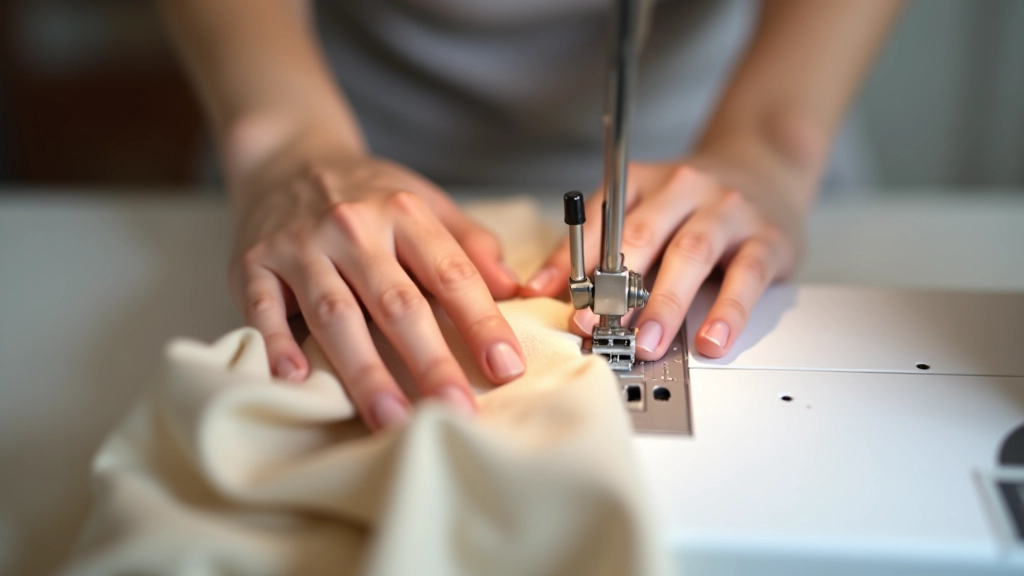
Setting Up Your First Sewing Machine
Threading, tension adjustment, and needle selection. Get these three things right...
Read ArticleLatvian linen is high quality and beautiful. Learn how to work with it without frustration — it's different from cotton.
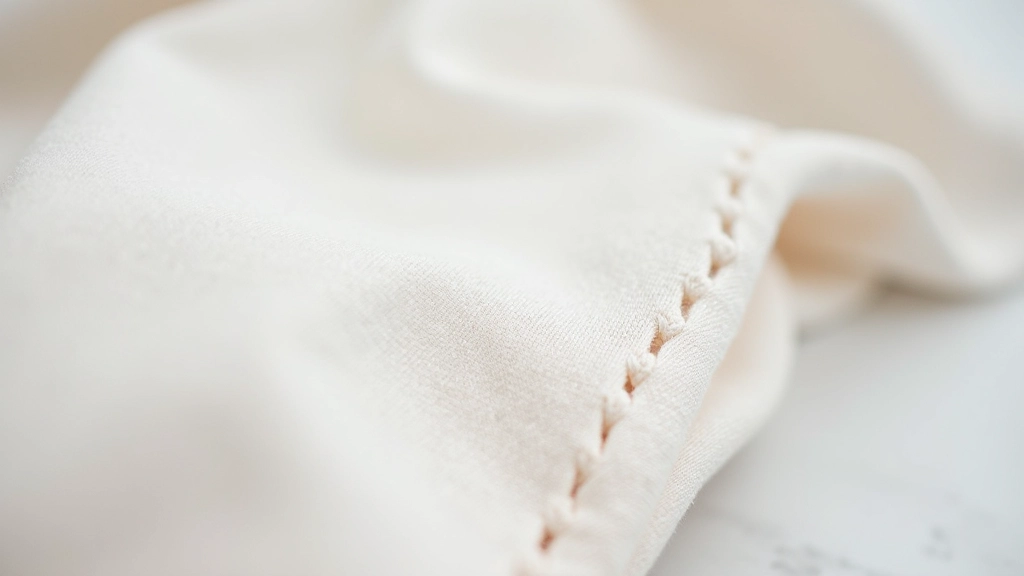
Latvian linen has a reputation for quality that's earned over centuries. It's not just marketing — the flax grows well in the Baltic climate, and the production methods here create fabric with real character. You'll notice it immediately when you touch it.
The thing is, linen from Latvia tends to be tightly woven and substantial. That's great for durability, but it means your sewing technique needs to adjust. It's stiffer than cotton, frays more aggressively, and demands a sharper needle. Get these things right though, and you're working with something genuinely beautiful.
Key difference: Latvian linen shrinks 3-5% after washing, so you'll want to pre-wash before cutting your patterns.
Start with a size 80/12 or 90/14 needle. These are medium-weight needles designed for mid-weight fabrics. Linen falls into that category. A needle that's too small will bend or break — you'll hear a distinctive clicking sound when the needle hits the fabric. A needle that's too large will create holes you can't ignore.
For thread, 50-weight cotton thread works well. Don't use polyester thread on linen if you can help it — the stretch difference causes problems over time. We're talking about seams that pucker after a few washes. Cotton thread moves with linen naturally.
And here's something people skip: use a fresh needle for every project. Linen dulls needles faster than cotton does. You'll see the difference in your stitching quality.
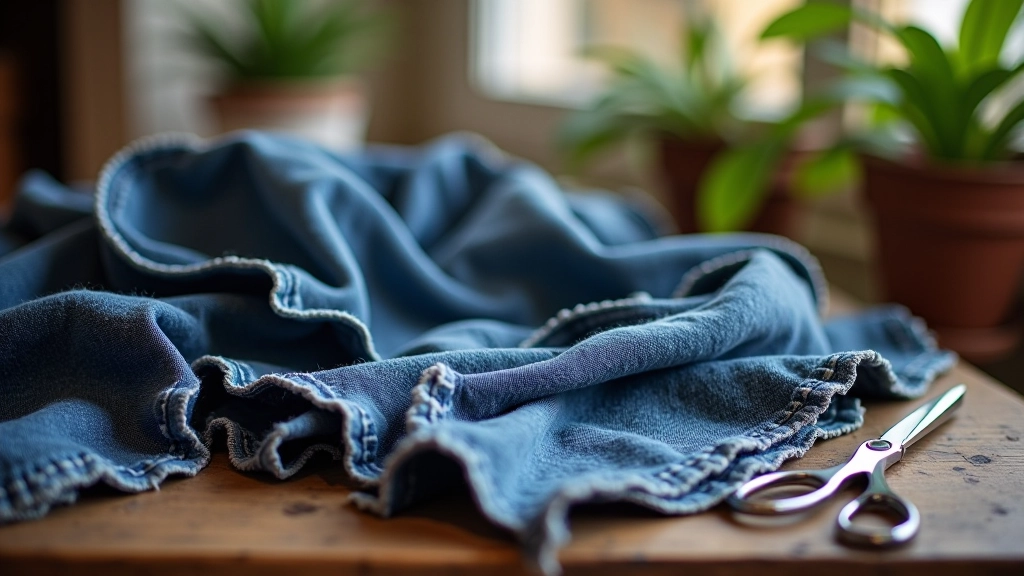
Linen frays. Seriously frays. Cut edges will unravel if you don't finish them, so plan for that from the start. Add seam allowances of at least 0.75 inches if you're using a standard zigzag finish. Some people go to 1 inch for extra security.
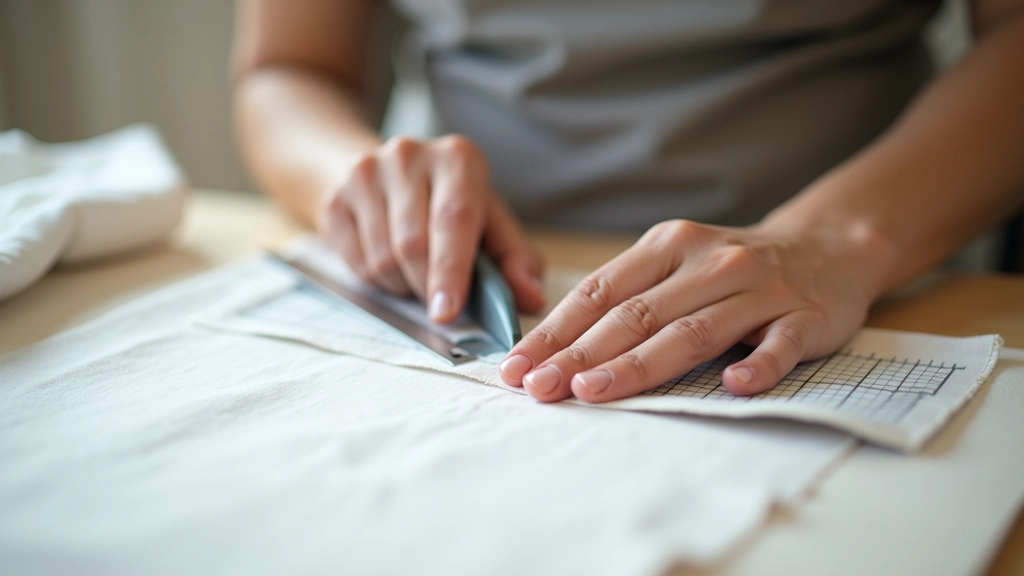
When you're laying out your pattern pieces, cut with very sharp scissors or a rotary cutter. Dull blades snag the fabric and create fuzzy edges that are harder to finish cleanly. Latvian linen's tight weave means it resists tearing — that's good news, actually. It won't fall apart on you, but it demands precision.
Let your fabric sit for 24 hours after cutting before you start sewing. It helps the fabric relax and settle into its final shape. You'll see less distortion in your seams.
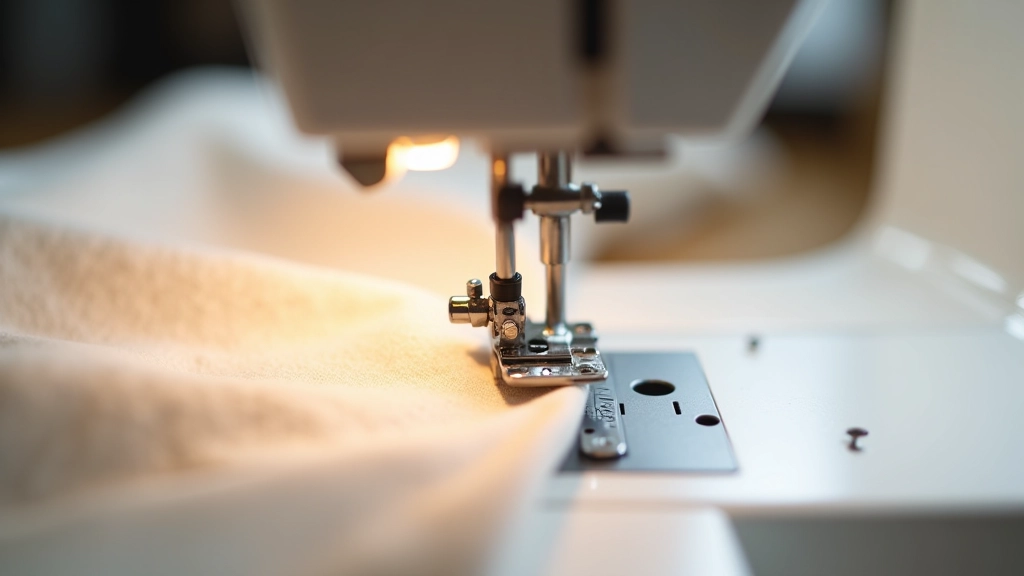
Slow your machine down. You're not racing. A stitch length of 2.5mm works well for linen — that's slightly longer than cotton's typical 2.0mm. The longer stitch lets the needle penetrate the tight weave without forcing it, which reduces skipped stitches.
Tension is where most beginners struggle. Linen doesn't forgive careless tension adjustments. Start with your machine's default settings and do a test seam on scrap fabric first. Look for a balanced stitch — the thread loops should sit right at the fold line between the two fabric layers. If you see loops on the bottom, your top tension is too loose. Loops on top mean bottom tension needs adjustment.
Don't be afraid to adjust. Most machines have a tension dial from 0 to 9, and linen often needs you somewhere between 4 and 6. Your test scraps are free — use them liberally.
You've got three solid options here. A zigzag stitch is the simplest — just run your machine's zigzag along each seam edge. It's not fancy, but it works. Takes about 30 seconds per seam and keeps fraying under control.
French seams are more refined. You sew two seams that enclose the raw edge completely. It's the professional look, and honestly, it's worth learning for anything you want to keep around for years. Takes longer but creates something you're genuinely proud of.
For hems, use a blind stitch by hand or machine. Linen is forgiving here — even imperfect hand-stitching looks intentional on linen. The fabric's texture masks small inconsistencies.
Cold or lukewarm water preserves color. Hot water fades linen noticeably over time, and you want your investment to last.
Linen is strong but doesn't need aggressive agitation. A gentle or delicate cycle is fine. You're not being precious — you're being practical.
The sun actually improves linen — it softens it naturally. A dryer is fine, but air drying is your best bet.
Linen wrinkles. That's part of its charm. But ironing while damp makes it easier and creates sharper creases.
Working with Latvian linen isn't harder than cotton — it's just different. You need sharper tools, slower speed, and a bit more attention to detail. But that attention creates something real. A napkin, a tea towel, a summer dress. Whatever you make from Latvian linen will last decades if you treat it right.
Start small. A simple pillowcase is perfect for learning. You'll get comfortable with how linen handles, how it frays, what it demands from your needle. Once you've finished your first project, you'll understand why Latvian linen has been valued for so long.
The learning curve is real but manageable. And the results are worth it.
Explore More Sewing GuidesThis article is educational material intended to provide general information about sewing with Latvian linen. The techniques and recommendations shared are based on common sewing practices and personal experience. Individual results may vary depending on your specific fabric, machine, and skill level. Always test new techniques on scrap fabric before applying them to your final project. Every sewing machine has unique characteristics, so adjust settings as needed for your equipment.