
Upcycling Old Denim Into Bags & Accessories
Don't throw away worn jeans. Cut, fold, and stitch them into durable bags that actually look good and last forever.

Why Denim Is Perfect for Upcycling
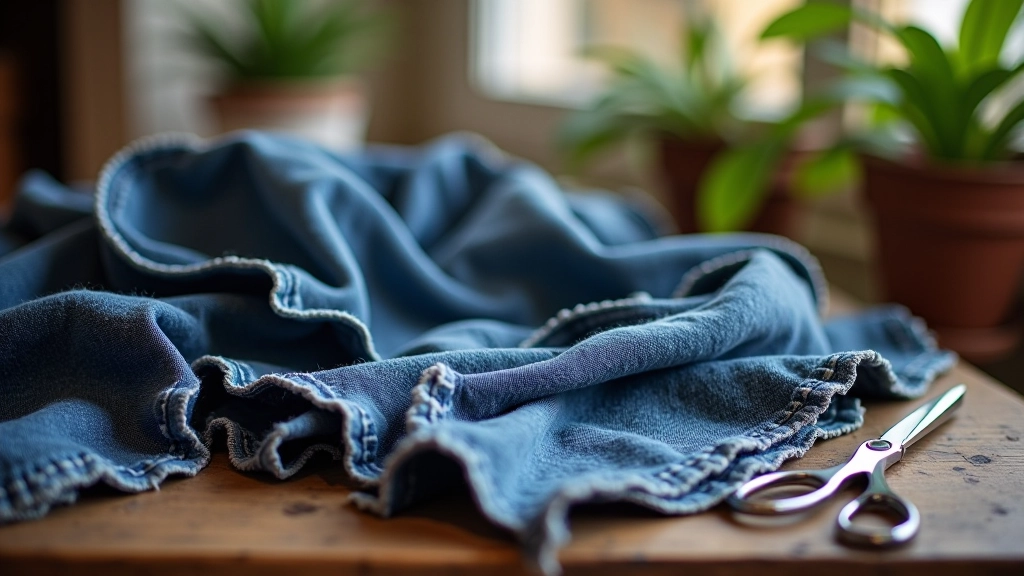
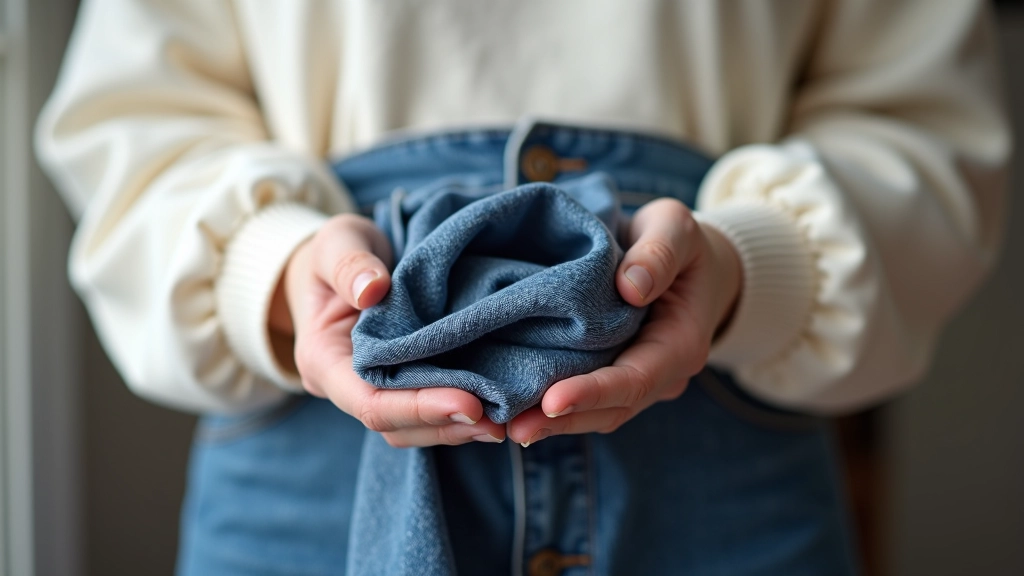
Old jeans sit in closets everywhere. They're faded, worn at the knees, maybe the zipper's broken. But here's the thing — that heavy twill fabric is incredibly durable. It'll outlast almost any bag you buy new.
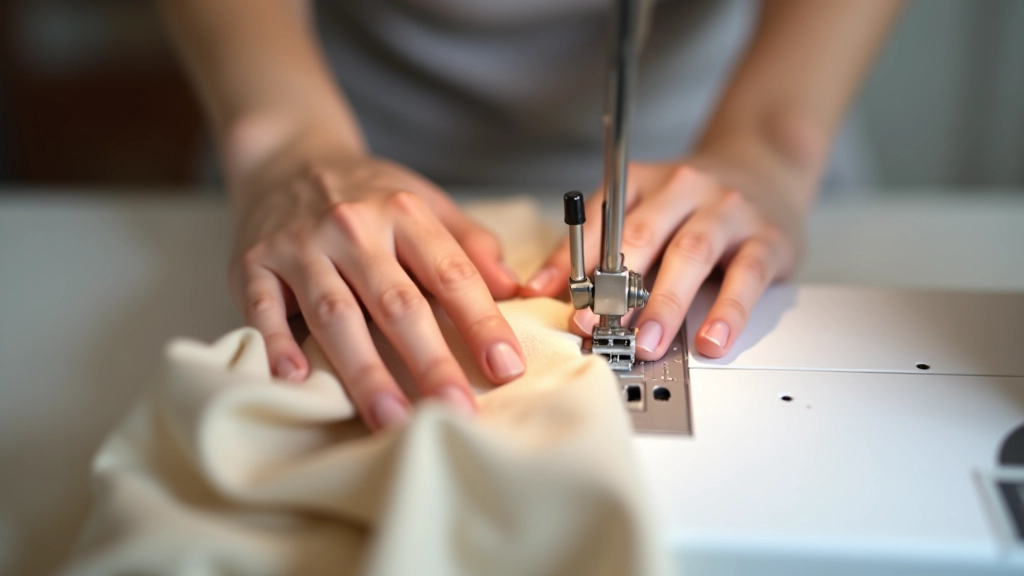
You don't need special equipment or fancy sewing skills. A basic sewing machine, scissors, and a few hours of work transforms a pair of jeans into something you'll actually use. Plus, you're keeping textiles out of landfills, which matters.
Real timeline: Most simple projects take 3-5 hours from start to finish. A structured bag with lining? Plan for 6-8 hours across two sessions.
Essential Tools & Materials
You probably already have most of what you need. If you don't, none of this is expensive — and it'll last you years.
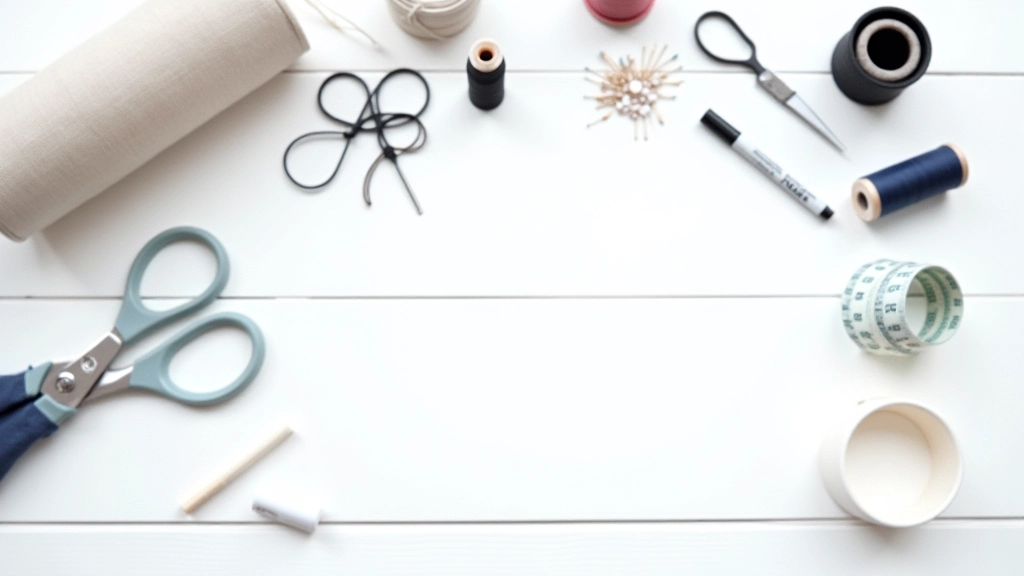
- Sewing machine: Any standard machine works. Threading and basic stitching is all you need.
- Thread: Heavy-duty thread holds better on denim. Match color to your jeans or go with navy.
- Scissors: Fabric scissors (not paper scissors — they dull fast). Pinking shears are nice but not essential.
- Seam ripper: Costs about $2. Saves hours when you need to undo stitches.
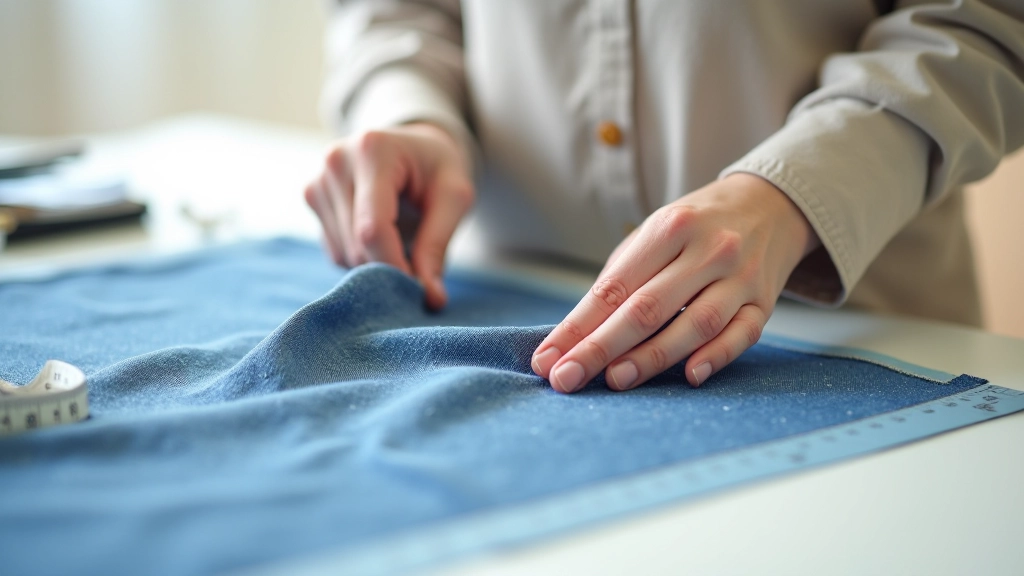
- Measuring tape & pins: Standard sewing supplies. Chalk or fabric pen for marking.
- Lining fabric (optional): Cotton, linen, or even old bedsheets work. Makes bags look finished inside.
Key Techniques for Success
There's a reason denim bags hold up — it's all about how you prepare and stitch. These techniques matter.
Reinforcing Seams
Don't rely on a single line of stitching. Go over your seams twice, sometimes three times on stress points like handles. Back-stitching at the start and end isn't optional — it's what keeps the whole thing from falling apart after six months of use.
Using the Original Seams
The inseam and side seams of jeans are already sturdy. Use them as built-in structure for your bag. It saves time and creates naturally strong edges that don't unravel.
Handling Thick Corners
Where the waistband meets the leg is triple-layered fabric. Your needle might skip or struggle. Slow down, use a walking foot if you have one, or hand-stitch those corners. It's not cheating — it's knowing your limits.
Four Projects From One Pair of Jeans
Don't waste any part. Here's how to get maximum use from a single pair.
1
Tote Bag
Cut the legs lengthwise, fold them in half, and stitch three sides. Add handles from the waistband. You'll have a bag that holds groceries without complaining.
2
Phone Pouch
The pocket area is perfect for a small clutch. Stitch two pieces together around the existing pocket and you're done. Takes 30 minutes.
3
Pencil Case
Scraps from cutting become pencil cases. Two rectangular pieces, stitch on three sides, add a zipper on top. Perfect for desk storage or gifts.
4
Coasters
Tiny scraps become coasters. Cut 4-inch squares, layer two pieces with interfacing between, stitch the edges. Denim absorbs moisture and looks good on tables.

Start Small, Think Big
You don't need the perfect jeans or years of sewing experience. Pick a pair you don't wear anymore and commit to one simple project — maybe a tote bag or a phone pouch. The satisfaction of finishing something you made with your own hands beats anything you'd buy.
Once you've done one project, the next one's easier. You'll figure out what works for your machine, your hands, your style. And every bag you make carries a story — old fabric, new purpose, zero waste. That matters.
Disclaimer
This article is for educational purposes and provides general guidance on upcycling denim into bags and accessories. Results and timelines may vary based on your sewing skill level, equipment, and specific jeans used. Always follow your sewing machine's manual for safe operation. We're not responsible for any damage to garments or injuries during the sewing process. If you're new to sewing, consider taking a beginner class or practicing on scrap fabric first.